
Ever catch yourself wondering why it takes a bit more effort to handwrite these days? Dismayed at why students struggle to write “neatly” rows of cursive previous generations mastered? Handwriting in general, with the advancement of digital-based communication, is on the decline. In some international educational curricula it has been removed entirely.
While I still believe the development of legible handwriting is an essential skill, it is not a natural skill – it is a complex learned skill that involves far more than simply holding a pencil and moving it across paper. It relies on an intricate blend of motor coordination, posture control, visual processing, sensory integration, and cognitive planning. For many children, these skills develop as the brain matures and early developmental reflexes are integrated. However, when primitive reflexes are retained beyond infancy, they can interfere with these foundational abilities—making handwriting frustrating, tiring, and even painful.
What Are Primitive Reflexes?
Primitive reflexes are automatic movements that emerge in the womb and during the early months of life. They serve vital purposes in survival and development—helping a newborn feed, respond to danger, or move towards developmental milestones like rolling, crawling, and walking.
In a typical developmental trajectory, these reflexes are gradually inhibited by higher brain centres within the first year or two of life. This integration frees the nervous system to focus on more advanced voluntary movements and cognitive tasks. When integration does not occur, the lingering reflexes can create subtle (or not-so-subtle) blocks to motor coordination—including the fine motor skills needed for handwriting.
How Retained Reflexes Interfere with Handwriting
Handwriting demands a stable, controlled body and an efficient, relaxed grip. It also requires the eyes, hands, and brain to work in harmony. Retained reflexes can disrupt all of these components.
1. The ATNR – Trouble Crossing the Midline
The Asymmetrical Tonic Neck Reflex (ATNR) pattern is that when the head turns to one side, the arm and leg on that side extend, while the opposite arm and leg bend. If the ATNR persists, a child may struggle to move their hand smoothly across the page. Turning the head to look at their writing can trigger arm extension, disrupting letter formation. This can cause jerky writing, poor spacing, and difficulty writing across the midline of the body. While you may not see the arm sharply extend with the head turn, the changes in tone of the muscle are still happening.
2. The STNR – Poor Postural Stability
The Symmetrical Tonic Neck Reflex (STNR) influences the connection between head movement and limb position. If retained, it can affect posture while sitting at a desk. For example, looking down to write may cause the arms to bend or the hips to slump, leading to poor core stability. Without a stable trunk, fine motor control in the hand suffers, making handwriting laborious and messy. These are the students you will see laying their head and upper body on the desk while they write or sitting at their desk with their hands supporting their head.
3. The Palmar Reflex and Babkin Reflex – Pencil Grip and Tension Issues
The Palmar Grasp reflex automatically closes the fingers when the palm is stimulated. In infancy, this is how a baby holds onto a finger. If it remains active, holding a pencil may trigger an involuntary grip that is too tight, causing hand fatigue and limiting smooth finger movements. This can also lead to awkward pencil grips that make handwriting slow, uncomfortable and may result in very fine spidery writing or very firm pressure being applied through the pencil or pen.
The Babkin reflex produces mouth and tongue movements when the hands are stimulated. When this reflex remains active, engagement of the hands in a task such as handwriting, produces involuntary mouth movements and tension in the forearms, upper arms, neck and jaw. These are the students who will stick their tongue out of their mouth when writing to “lock down” or limit their mouth movements. Often the same students will open and close their mouth when using scissors! Handwriting for these students is often painful as it triggers a lot of tension through the arms, up into the shoulders and jaw.
4. The Moro Reflex – Anxiety and Overwhelm
The Moro reflex is the startle response to sudden stimuli. If retained, it can keep the nervous system in a state of hyper-alertness. For a child, this may mean being easily distracted, tense, or anxious during handwriting tasks. The constant fight-or-flight readiness can interfere with focus, muscle relaxation, and stamina—leading to avoidance of writing altogether.
The Bigger Picture: Sensory and Motor Integration
Retained primitive reflexes don’t just affect the muscles of the hand—they influence the entire sensory-motor system. Handwriting requires:
- Core stability for support
- Bilateral coordination (one hand writes, the other stabilises the page)
- Eye–hand coordination for accurate placement
- Fine motor precision for smooth letters
When reflexes remain active, these foundational skills are disrupted. A child may tire quickly, press too hard or too lightly on the pencil, produce inconsistent letter sizes, or avoid writing tasks because the task produces physical pain in their body.
Unfortunately, in classrooms adhering to a belief of “practice makes perfect,” many students are forced to do more of this task they find tiring, uncomfortable and painful. It’s no wonder some students hate writing and will do all they can to avoid it! Repeating the task over and over will not help where retained primitive reflexes are a significant cause of handwriting difficulties. Indeed, it can lead to more harm, reducing students’ self-esteem and confidence and creating a resistance to writing which may spread more generally to literacy tasks in general.
Supporting Children with Retained Reflexes
The good news is that retained reflexes can often be integrated and handwriting challenges reduced.
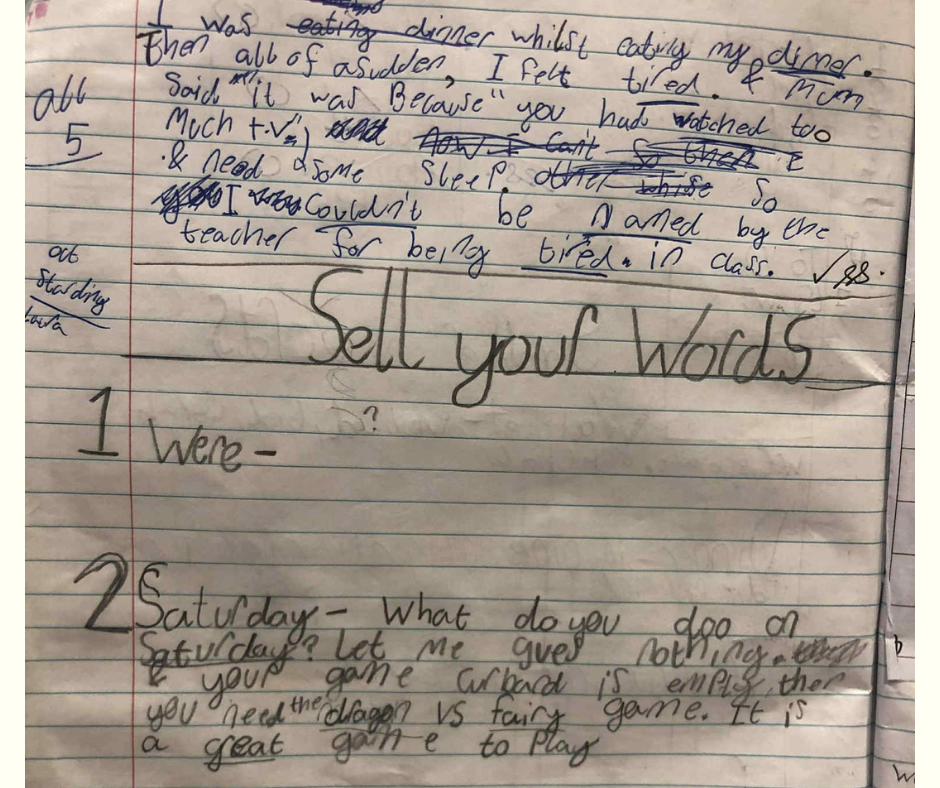
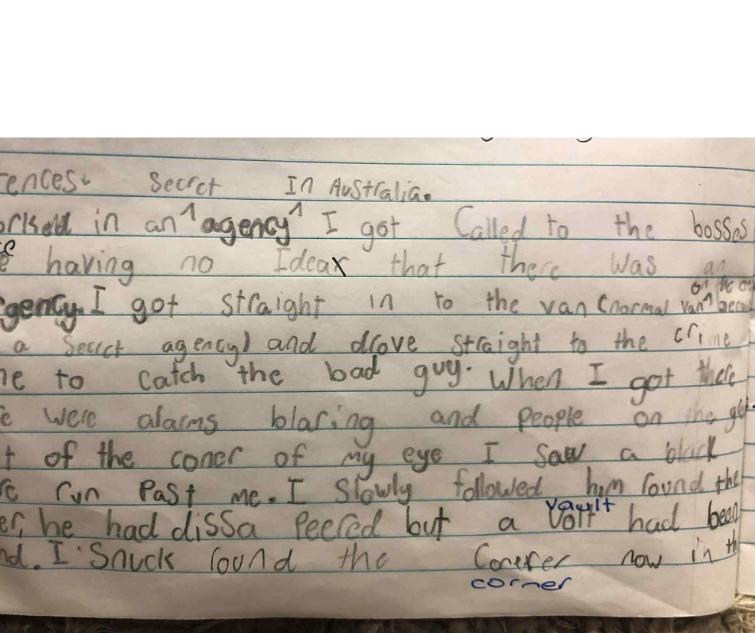
It’s a challenge I see often in the children I work with. The RMTi movements I use in practice, help to integrate reflexes disrupting handwriting progress. These exercises mimic early developmental patterns to help the nervous system “complete” unfinished stages of motor development.
If you are a teacher, consider the following strategies with your students who find handwriting challenging:
- Refer them to an RMTi Consultant or Occupation Therapist who has done some RMTi training in how to integrate retained primitive reflexes
- Remove pressure from students when doing handwriting tasks
- Reduce the load students are required to write while in the classroom – instead of having them copy from the board, give them a print-out so they can underline key words instead
- Ensure they are well supported posturally when the task is focussed on handwriting
- Warm their (and all students’) hands up before writing tasks by having them squeeze a stress ball, scrunch up a piece of paper with one hand, crawl or rock back and forth on their hands and knees putting pressure right through the palms of the hands, push palm to palm against a friend’s palms.
- Encourage them – make sure they know that you understand how challenging handwriting is for them and that you’re on their side to support them!
Handwriting isn’t just about neat letters—it’s about the integration of the whole body and brain. When primitive reflexes linger, they can create invisible barriers that make writing frustrating, painful, or overwhelming.
By understanding and addressing these reflexes, we can unlock handwriting success, restore confidence, and make learning a much smoother journey.