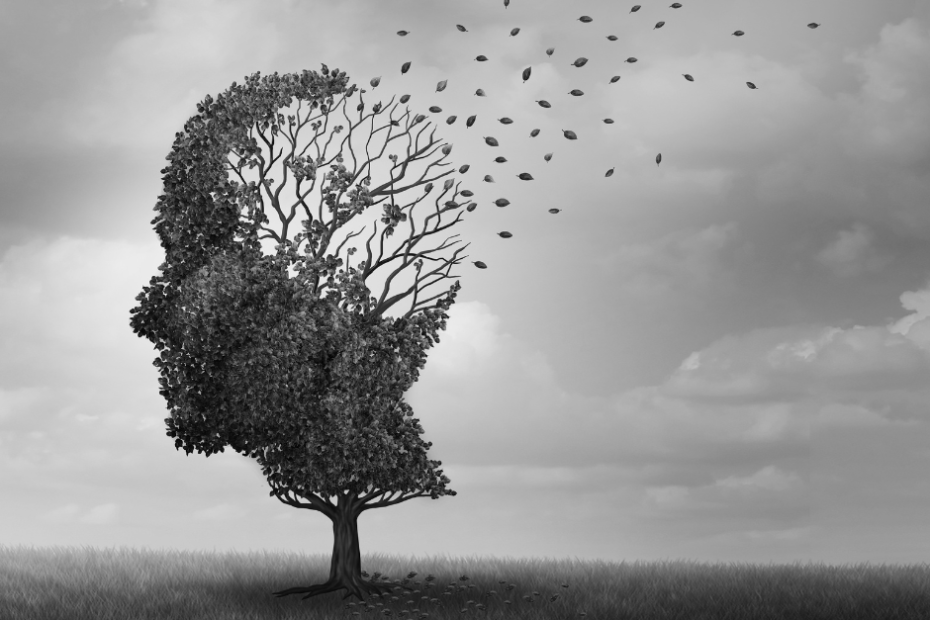
Parkinson’s disease is a progressive neurological condition affecting movement, balance, and coordination. The tremors, stiffness, and slowed movement associated with Parkinson’s arise from changes deep within the brain’s motor control centres — particularly the basal ganglia. These changes can have the effect of “reactivating” or “releasing” previously integrated primitive reflexes.
What Are Primitive Reflexes?
Primitive reflexes are automatic, brainstem-mediated movement patterns that develop before birth and guide an infant’s earliest movement experiences helping newborns with essential functions like feeding, grasping, and early movement.
As the brain matures, higher cortical centres take over, and these reflexes are inhibited or integrated — meaning they no longer trigger automatically. This integration allows for voluntary, controlled movement to replace primitive, automatic responses.
When Reflexes Return: What Happens in Parkinson’s
In healthy adults, these early reflexes remain integrated or dormant, their role complete. However, in neurodegenerative diseases like Parkinson’s, the loss of higher brain control — particularly in areas governing motor coordination and inhibition — can lead to the re-emergence of primitive reflexes.
Studies have documented the return of reflexes such as:
- Grasp reflex – an involuntary hand closing when the palm is touched
- Rooting reflex – turning the head toward touch near the mouth
- Snout reflex – puckering or protruding of lips when tapped
- Palmomental reflex – twitching of the chin muscles when the palm is stroked
These “frontal release signs” (as neurologists call them) are evidence that the brain’s inhibitory control has weakened, allowing primitive movement patterns to resurface. This regression mirrors, in some ways, the reverse of early development: as higher brain regions lose efficiency, lower-level automatic systems begin to dominate once again.
Reflex Retention and Movement Patterns
Even beyond the classic clinical reflexes, observations of those with Parkinson’s-like symptoms may mimic retained reflex patterns seen in children — particularly when looking at postural and movement coordination.
For example:
STNR-like patterns – difficulty separating head and limb movements, leading to stiffness in transitions (e.g., sitting to standing).
ATNR-like patterns – turning the head may automatically affect arm or leg position, contributing to uncoordinated gait.
Moro-like responses – exaggerated startle, sensitivity to sound or movement, or difficulty calming after stress.
These patterns suggest that when neural integration breaks down, the body reverts to earlier reflexive motor programs. Understanding this can help us see Parkinson’s not just as a disease of tremor and rigidity, but also as a disruption in the balance between reflexive and voluntary control.
How Rhythmic Movement Training (RMTi) Can Help
Rhythmic Movement Training International (RMTi) is a movement-based program designed to help integrate retained primitive reflexes through gentle, rhythmic exercises that replicate early developmental movements.
While RMTi is most often used with children, its principles are equally relevant for adults — including those experiencing neurological decline. By stimulating the same brain pathways involved in early reflex integration, rhythmic movement may help:
- Rebuild connections between the brainstem and higher cortical areas
- Improve coordination and postural control
- Enhance sensory processing and body awareness
- Support regulation of movement and emotional responses
In Parkinson’s, where degeneration of dopamine-producing neurons reduces communication in motor circuits, RMTi-style movement may gently repattern neural pathways, improving balance and coordination.
In real life, this may look like:
- Improved gait stability and fluidity
- Reduced rigidity and tremor intensity
- Improved mood and confidence
- Better sensory regulation and sleep
Movement therapy helps the brain stay adaptable — an essential factor in maintaining function and slowing decline.
A New Way of Looking at Parkinson’s
Recognising the role of primitive reflexes in Parkinson’s reframes the condition from purely degenerative to partly developmental — where movement, rhythm, and sensory input still have the power to shape brain function.
By gently revisiting the movements that first wired the nervous system in infancy through RMTi, we can support the body’s capacity to maintain connection, balance, and grace — even in the face of neurological challenge.